

On Monday, March 3, 2025, the Gestus Project hosted its first User Board meeting, engaging clinicians, coaches, athletes, and patients to ensure that the Gestus wearable device is designed for maximum usability and adoption.
User-Centered Approach with the Technology Acceptance Model (TAM)
To guide the identification of user requirements, we adopted the Technology Acceptance Model (TAM) [1] – a well-established framework in social sciences that explores how users accept and interact with new technology.
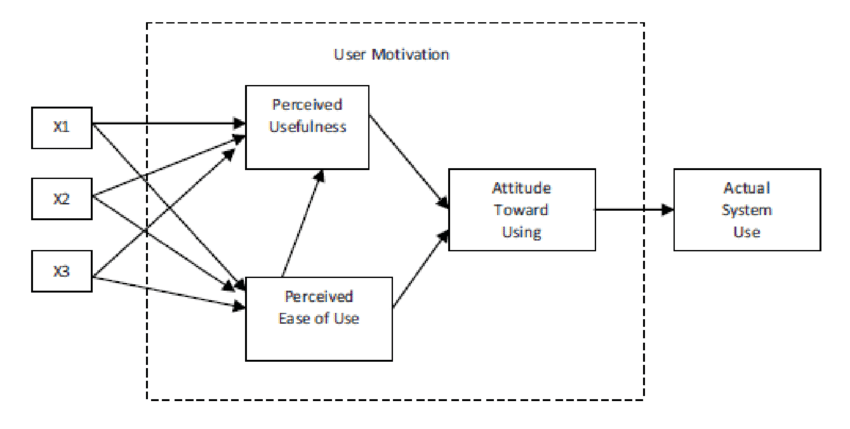
The TAM framework states that user adoption is influenced by two key factors:
- Perceived Usefulness (PU) – The extent to which a user believes the technology enhances performance.
- Perceived Ease of Use (PEOU) – The degree to which a user believes the technology requires minimal effort to use.
By integrating these principles, the Gestus Project aims to optimize both the usefulness and user-friendliness of its motion analysis system.
Key Discussions and Insights
During the session, Work Package (WP) coordinators – Università degli Studi di Genova – presented:
- Project goals and expectations
- Available GNSS + IMU technologies, highlighting their advantages and limitations
Following these presentations, User Board members — with their specific expertise as professionals or end users in different application domains: sports, neurology (MS), and metabolic health (T1D) —participated in structured discussions and a questionnaire, providing critical insights on:
- Their expectations and technological needs
- The design features that would maximize usability and adoption
- How to ensure effortless interaction with the device
Shaping the Future of Motion Analysis
By involving both professionals (clinicians, coaches) and end-users (patients, athletes), the User Board plays a fundamental role in ensuring that Gestus technology is aligned with real-world demands. Their feedback will directly inform future design iterations, making the device more effective, user-friendly, and impactful.
[1] Davis, Fred & Davis, Fred. (1989). Perceived Usefulness, Perceived Ease of Use, and User Acceptance of Information Technology. MIS Quarterly. 13. 319-. 10.2307/249008